
Maintaining Roofs on Strata and Community Buildings
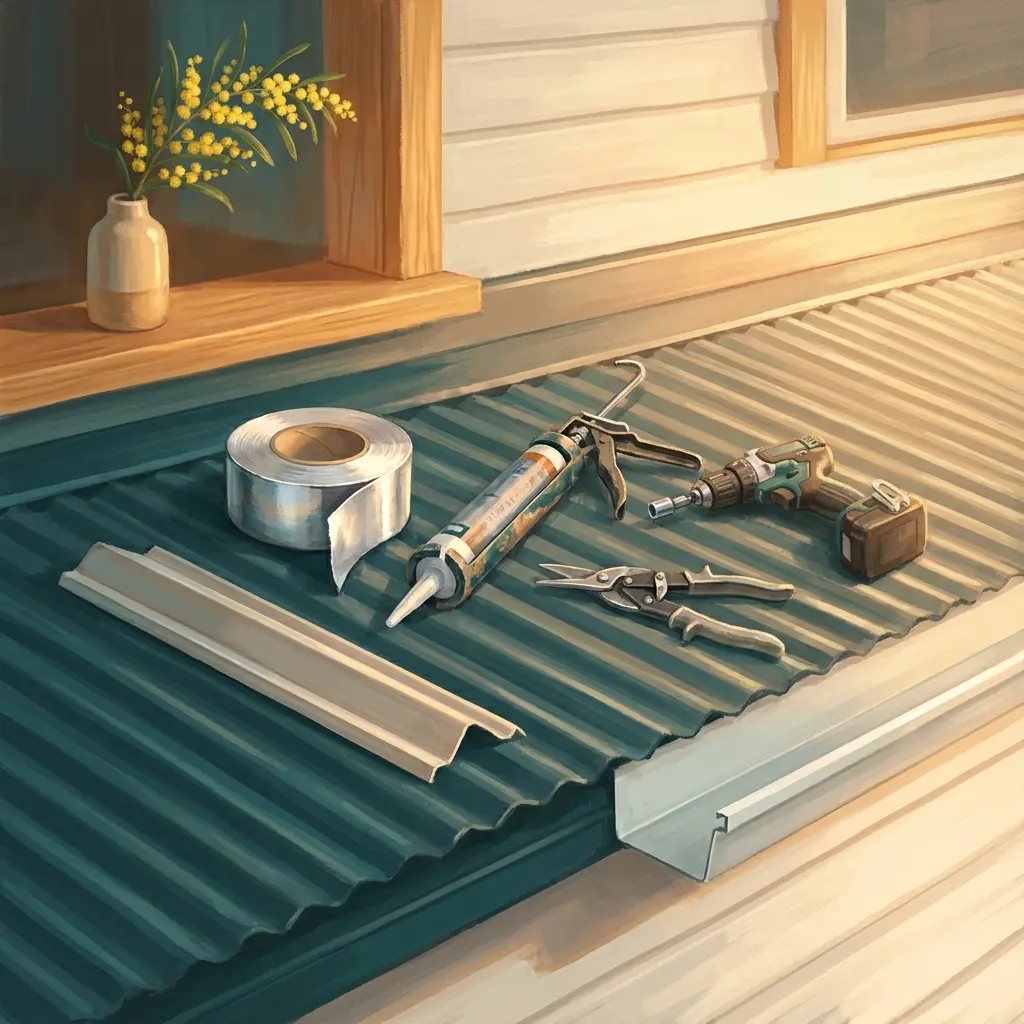
Who owns the roof?
For most stacked schemes the answer is simple: the corporation does. Where a lot boundary is defined by reference to a ceiling or roof, it runs along the under surface, so everything above that line is common property and the corporation maintains it. Where lots are freestanding and sit side by side, each owner usually owns the roof of the building inside their lot, and the corporation is responsible only for buildings on common property such as a shared shed or covered walkway.
A point that catches committees out: a roof repair is not a benefit conferred on the unit directly beneath it. Corporations sometimes try to charge the whole cost back to the owner below on that reasoning, and it does not hold. Roof repairs are common-property maintenance and the cost is shared, unless your own Act has a specific mechanism that says otherwise. In South Australia the courts have said so expressly, and s 27(6) of the Strata Titles Act 1988 cannot be used that way.
The duty, by jurisdiction
NSW. Strata Schemes Management Act 2015, s 106(1). Section 107's common property memorandum deals with roof coverings, so check whether your scheme adopted it.
VIC. Owners Corporations Act 2006, s 46. Lot owners must not repair or alter common property themselves (s 47A).
QLD. Body Corporate and Community Management Act 1997, s 152, with the duty in your regulation module: Standard Module s 180, Accommodation Module s 170, Commercial Module s 127, Small Schemes Module s 99.
WA. Strata Titles Act 1985, s 91(1)(c), which expressly covers inherent defect as well as fair wear and tear. That matters for roofs more than for most things.
SA. Strata Titles Act 1988, s 5(5)(c) puts the boundary at the under surface of the ceiling or roof, and s 25 imposes the duty. Under the Community Titles Act 1996, a strata division is treated the same way under ss 28 and 75; in a lot-beside-lot division the roof belongs to the lot owner.
TAS. Strata Titles Act 1998, Schedule 1 clause 8.
ACT. Unit Titles (Management) Act 2011, s 24(1).
NT. Unit Titles Act 1975, s 34(b).
For more on which structure your group sits in, see Unit Titles Explained.
Roof structure
Most Australian unit groups are built on a timber framed roof, which is made up of a mix of rafters and pre-fabricated trusses bearing on the top of the framed walls, with purlins running across the top to carry the cladding. Whether the cladding is tile, steel or asbestos sheet, the underlying framing is similar.
Watch points: any visible movement in the roofline, cracking in the ceiling below or sagging between trusses are all signs of a structural problem which are usually a failed strut, a broken truss or a connection that has worked loose. None of these are DIY fixes so engage a licensed builder to inspect and quote.
Tiled roofs (terracotta and concrete)
Common in older South Australian unit groups. The two cladding materials behave differently.
Terracotta tiles delaminate with age especially in seaside suburbs. Second-hand replacements are often available, a roofing salvage yard is your friend. If most of the roof is degrading, it's usually more economic to recover with concrete tiles or steel.
Cement falls out of ridge and hip capping over time. Replacement bedding is cheap; but matching the existing colour with oxide is the part most jobs get wrong.
Tiles break from storm damage or from anyone walking on the roof without crawl boards. Storm damage is generally insurable - see our article on Insurance Claims.
Lead flashing deteriorates with age. Flashing seals around vents, pipes, skylights and the join between roof and parapet wall. A failed flashing is one of the most common causes of leaks.
Low-pitched tile roofs leak if the sarking under them breaks down. Sarking is the metal-foil membrane that catches any moisture that gets past the tiles; on low-pitch roofs it does most of the work.
Best practice: tiled roofs
For self-managed groups, employ a responsible officer to view the roofs before winter each year.
For professionally managed groups, ensure to arrange a roof check at the same time as the gutter clean, before winter.
#1 Rule: Replace cracked or broken tiles promptly. Second-hand tiles are usually available.
Steel-clad roofs (galvanised, zincalume, COLORBOND®)
These are more common in newer builds and replacement roofs. Generally, they are lower maintenance than tile, but with their own failure modes.
Whole-sheet rusting takes decades to develop and is rarely the first failure point.
Rusting at sheet joins or where sheets have been cut is much more common as the protective coating is broken at any cut edge.
Loosened nails let sheets lift, flap in wind and eventually leak. Re-securing with screwed fasteners is the modern remedy.
Low-pitched steel roofs can leak at the ridge and hips if flashings have failed.
Hint: "slippers" for localised rust
Where a steel sheet is rusted only at the join with another sheet, replacing the whole sheet is overkill. Roofers can fit slippers, which are short lengths of roofing slipped underneath the rusted are. These stop the leak at a fraction of the cost of full replacement.
Asbestos roofs
A small number of older South Australian unit groups still have asbestos-cement roofs. After many decades they often crack, leak, and develop a flaking surface, at which point fibres can become airborne, which is the health hazard.
The two safe options are:
Cladding over the asbestos using battens and steel roofing. This leaves the asbestos in place but encapsulated.
Removal by a licensed asbestos contractor.
Anyone walking on an asbestos roof must use crawl boards. For commercial groups, an Asbestos Register and on-site warning signs are required. For everything else asbestos-related, see our featured article on Asbestos Management.
Inspection rhythm
The single best maintenance habit a corporation can adopt is an annual pre-winter roof inspection, ideally tied to the gutter clean. The inspection costs a few hundred dollars but a roof leak that goes through a winter's rain can cost many thousands. The committee's job is to make sure the inspection happens, not to do it themselves.
Get in touch
If your roof is showing signs of trouble or you're weighing a major roof repair, we're happy to help you scope the work and get apples-to-apples quotes. Acacia Collective manages strata and community title groups across South Australia.
Call us on 1300 79 2255 or email hello@acaciacollective.com.au.
Related Articles


Have questions about strata?
Get in touch and we'll help with your strata needs.