
Termite Management in Strata and Community Titled Properties
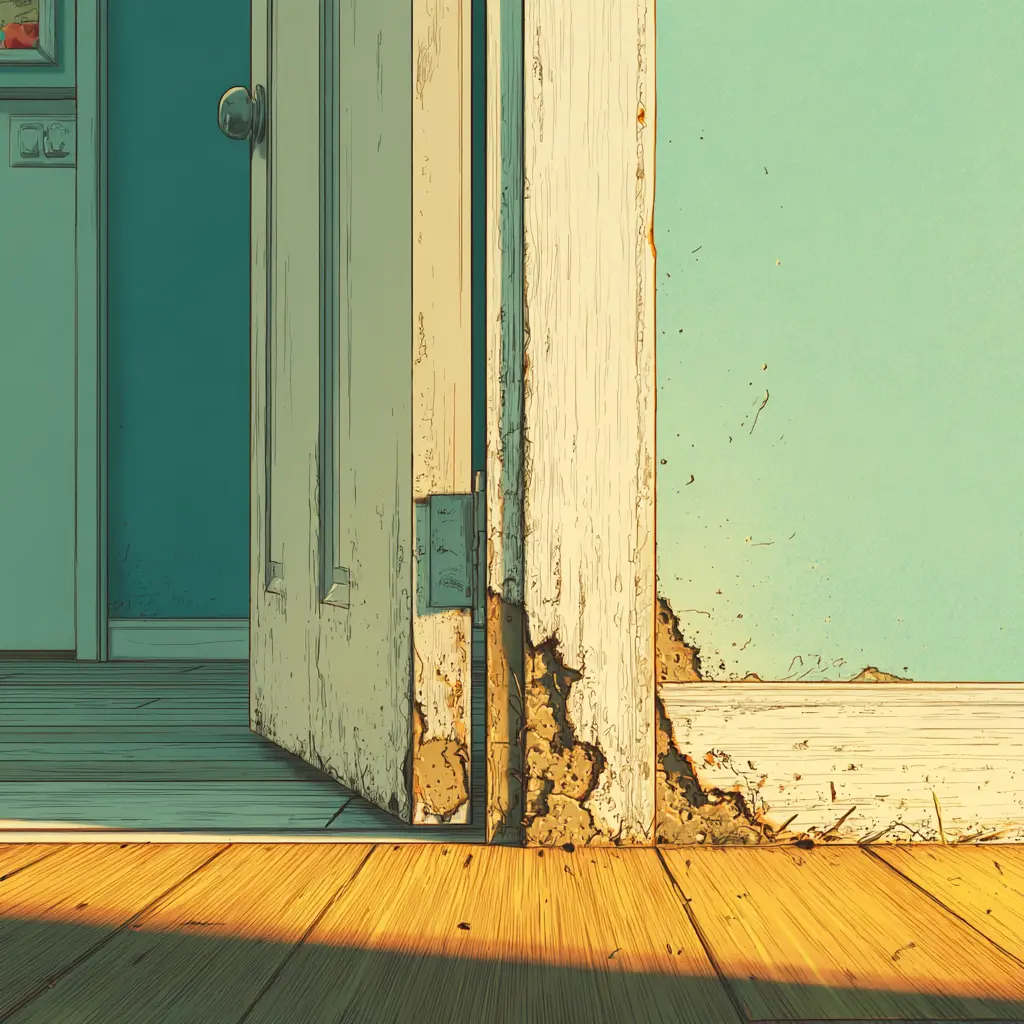
Don't underestimate termites
Termites are a serious and widespread risk to Australian homes, and a substantial proportion of buildings will be affected at some point over their life. The risk rises in warmer and more humid regions; Tasmania is the only part of the country substantially spared. For strata and community titled properties, where buildings sit close together and often share common structural elements, a termite problem that goes undetected can spread quickly and become very costly.
Who is responsible?
Both strata corporations and community corporations are responsible for dealing with termites and the resulting damage on common property. This includes the cost of treatment and the repair of any structural damage to common areas, shared walls, roofs, and other elements that form part of the common property.
Individual owners remain responsible for their own lots, but given how quickly termites move through a building, the distinction between "common property" and "individual lot" matters a great deal when it comes to identifying where an infestation started.
How termites get in
Termites can access a building through openings as small as 0.1mm- a gap you wouldn't even notice. Common entry points include:
Loose or deteriorating mortar between brickwork
Drain pipes and plumbing penetrations
Blocked or covered air vents (subfloor ventilation is critical)
Settlement cracks in slabs or walls
Timber that is stored against or in contact with the building
If you notice mud tubes on walls or foundations, hollow-sounding timber when tapped, or damaged skirting boards that crumble or feel soft, these are classic warning signs of termite activity. Act quickly if you see them.
A brief history of termite treatment
Chemical barriers have been used to protect buildings from termites since the 1950s. Organochlorine chemicals, which provided very long-lasting protection, were the standard until they were banned in 1995 due to environmental concerns. The chemicals used today are effective, but they have a shorter working life. Most chemical barriers now require retreatment every five years to remain effective.
Modern treatment options
Chemical barriers
A liquid chemical is applied to the soil around and beneath the building to create a treated zone that termites cannot cross without being affected. This remains the most common method. Because modern chemicals break down faster than the old organochlorines, regular re-treatment is essential - letting the barrier lapse creates a window of vulnerability.
Bait systems
An increasingly popular alternative is the in-ground bait system, the most widely known being Sentricon. This involves placing in-ground monitoring stations around the perimeter of the building. When termites are detected, a bait containing hexaflumuron (a chitin synthesis inhibitor that prevents termites from moulting) is introduced to the stations. Worker termites carry the bait back to the colony. Where the bait is taken and the system is monitored properly, a colony can be substantially reduced or eliminated over a period of months.
Bait systems are less disruptive than chemical barriers (no drilling or trenching required) and have a lower environmental impact. They do require regular monitoring to remain effective.
Owner and tenant responsibilities
While the corporation handles common property, individual owners and tenants play an important role in prevention. If an owner or tenant facilitates termite entry, for example, by storing firewood, newspapers, or other cellulose material against the building, they may be held personally liable for the resulting damage.
Common things to avoid:
Storing timber, firewood or cardboard boxes against external walls or under the building
Allowing mulch or garden beds to build up against the slab or footings
Blocking subfloor vents with garden debris or stored items
Leaving timber offcuts or building materials in contact with the soil near the building
Termite damage is not covered by building insurance
This is one of the most important things to understand: standard building insurance policies do not cover termite damage. This applies to both individual unit policies and the corporation's building insurance. The cost of repairs falls entirely on the corporation (for common property) or the individual owner (for their lot). This makes prevention, and early detection, far more cost-effective than remediation.
What to discuss at your AGM
Termite management should be a standing item at every Annual General Meeting. Consider the following when reviewing the corporation's approach:
When was the last inspection carried out and by whom?
When is the current chemical barrier or bait system due for re-treatment or servicing?
Has any termite activity been identified since the last inspection?
Are owners and tenants aware of their obligations around timber storage?
Sample AGM minute: Termite responsibility statement
Resolved that the corporation notes its responsibility to manage termite risk on common property and to act promptly upon any report of termite activity. Owners and occupiers are reminded not to store timber, newspapers, cardboard or other cellulose materials against the building. Failure to comply may result in personal liability for any resulting damage.
Sample AGM minute: Annual inspection resolution
Resolved that the corporation engage a licensed pest inspector to conduct an annual termite inspection of the common property. The manager is authorised to obtain quotes and proceed with an inspector in the $[amount] range without further approval.
Get in touch
Termite management is one of those areas where a small amount of attention each year can save the corporation from a very large and uninsured repair bill.
If you're not sure whether your current termite protection is up to date or if you've spotted signs of activity, don't wait. Contact Acacia Collective, we can help you work through your options and connect you with a qualified inspector.
Related Articles


Have questions about strata?
Get in touch and we'll help with your strata needs.